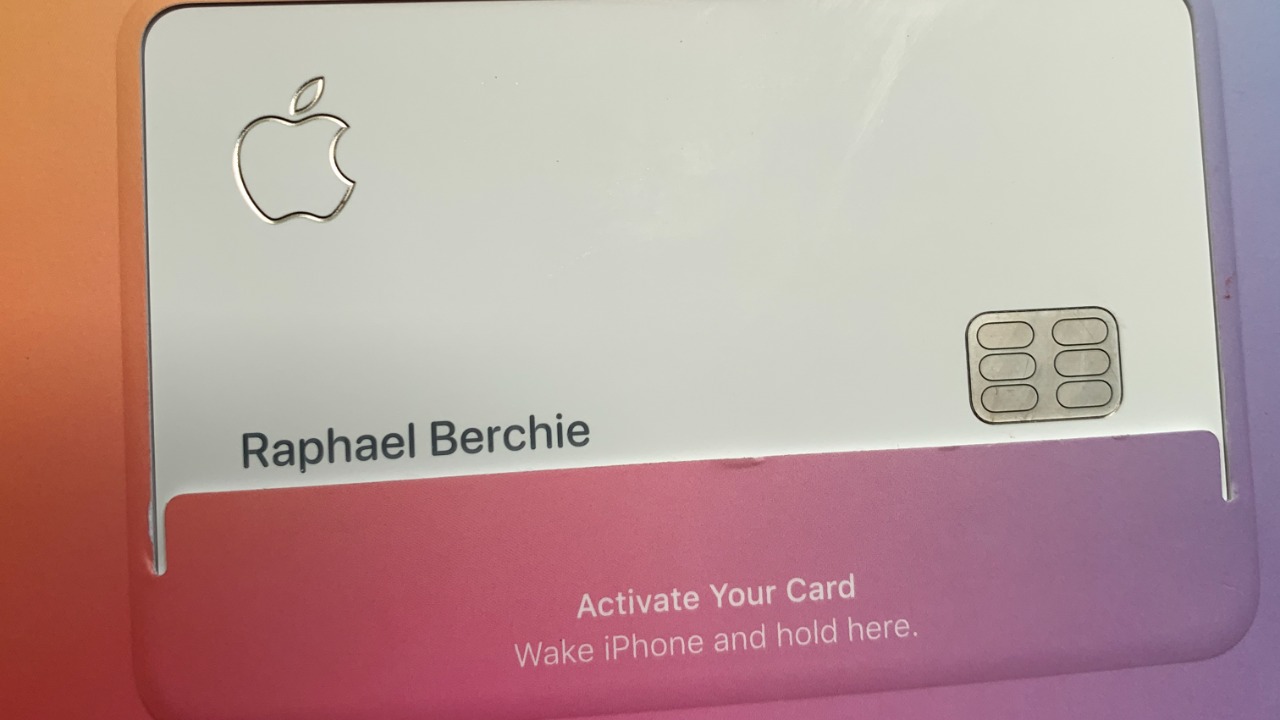
The partnership that created Apple’s sleek titanium credit card was supposed to fuse Silicon Valley design with Wall Street muscle. Instead, it has ended in a complicated split, with Apple shifting its flagship card away from Goldman Sachs and into the arms of JPMorgan’s Chase unit. The breakup exposes how hard it is to bolt a mass‑market consumer business onto an investment bank’s balance sheet, and how quickly a marquee tech brand will walk when the economics and customer experience stop lining up.
The promise, the losses, and the slow-motion breakup
When Apple tapped Goldman Sachs to issue the Apple Card, both sides pitched it as a reinvention of plastic, from instant iPhone sign‑ups to daily cash rewards. For Goldman Sachs, the card was the centerpiece of a push into consumer lending, a way to prove it could be more than an elite advisory shop and build a Main Street franchise at scale. Through the partnership, Goldman Sachs tried to scale up call centers, underwriting, and compliance systems that had never been tested by millions of retail customers hitting them at once. The result was a flood of servicing costs, technology strain, and a business that racked up heavy losses instead of the steady fee income executives had hoped for.
Those strains eventually spilled into public view. Analysts later estimated that the consumer finance partnership, which included the Apple Card and related products, generated roughly billions in losses and would have required years of pristine performance to claw back to profitability. At the same time, the Consumer Finance Protection Bureau scrutinized how the card handled credit limits and rewards, adding regulatory pressure to an already fragile operation. By late 2023, reports surfaced that Apple had formally asked to unwind the entire consumer partnership, a clear sign that the tech company no longer believed Goldman Sachs could deliver the scale and stability it wanted for a core financial product tied directly into the iPhone.
Culture clash, risk appetite, and the search for a new home
Behind the numbers sat a deeper cultural mismatch. Apple wanted a frictionless, inclusive product that could approve a broad swath of iPhone owners in minutes, while Goldman Sachs was still learning how to price and manage risk across a mass‑market portfolio. One of the headline frictions, as Four Reasons Why highlighted, was “Know Your Customer” discipline colliding with Apple’s desire for a seamless sign‑up flow. Internal debates over underwriting standards, including how to treat applicants with weaker credit files, underscored that One of the partners was a consumer‑obsessed device maker and the other was a tightly regulated bank whose instincts leaned toward caution.
External observers also pointed to the card’s unusually generous early‑stage economics. A detailed breakdown of the Credit Card Partnership noted that the deal between Apple and its issuer pushed Goldman Sachs to approve customers with FICO scores below 660, a segment that carries higher default risk and heavier servicing needs. A separate analysis of Goldman Sachs the arrangement emphasized how Apple’s leverage as a global brand allowed it to demand rich rewards and consumer‑friendly terms that squeezed the bank’s margins. Over time, those concessions looked less like a strategic investment and more like a drag on earnings that conflicted with Goldman Sachs’ core identity as an institutional powerhouse.
Exit to Chase, what changes for cardholders, and what it signals
The formal uncoupling arrived earlier this month, when Goldman Sachs announced it had reached an agreement to transition the Apple Card program to a new bank. In a companion statement, the firm described the move as part of a broader decision to refocus on institutional clients and exit most of its mass‑market consumer bets. A follow‑up disclosure framed the shift as a way to cleanly remove the Apple Card from Goldman Sachs Announces results, drawing a line under years of experimentation that never quite fit. Investors were told that the bank would lean back into its strengths in trading, advisory, and corporate banking rather than chase scale in credit cards.
On the other side of the table, Apple lined up a partner built for exactly that kind of scale. JPMorgan’s retail and commercial banking arm, Chase, agreed to become the new issuer of the Apple credit card, extending a relationship between two giants that already collaborate on payments infrastructure. A related filing stressed that Follow your favorite stocksCREATE FREE ACCOUNT was not the story here so much as Apple’s decision to anchor its card with a leader in American finance that already runs one of the country’s largest card portfolios. For consumers, the most important detail is that Mastercard will continue as the Apple Card network, and the core terms of the Apple Card, including rewards and fees, are expected to remain intact during the transition.
Under the hood, the financial clean‑up is significant. Analysts tracking the unwind have noted that the Apple Card portfolio forced Goldman Sachs to build roughly billion of loan, a capital commitment that weighed on returns and complicated its investor story. Commentators at Simply Wall St argued that the exit underlines a simple truth: Goldman Sachs is not a mass consumer bank, and its shareholders may be better served by a tighter focus on institutional banking. For Apple, shifting the portfolio to a lender that lives and breathes consumer credit, and whose relationship with Apple Card customers is already framed around scale, looks like a way to stabilize a product that sits at the heart of its services strategy. In the end, the messy breakup is less about hurt feelings than about each side finally admitting what kind of business it really wants to be.
More From TheDailyOverview

Silas Redman writes about the structure of modern banking, financial regulations, and the rules that govern money movement. His work examines how institutions, policies, and compliance frameworks affect individuals and businesses alike. At The Daily Overview, Silas aims to help readers better understand the systems operating behind everyday financial decisions.