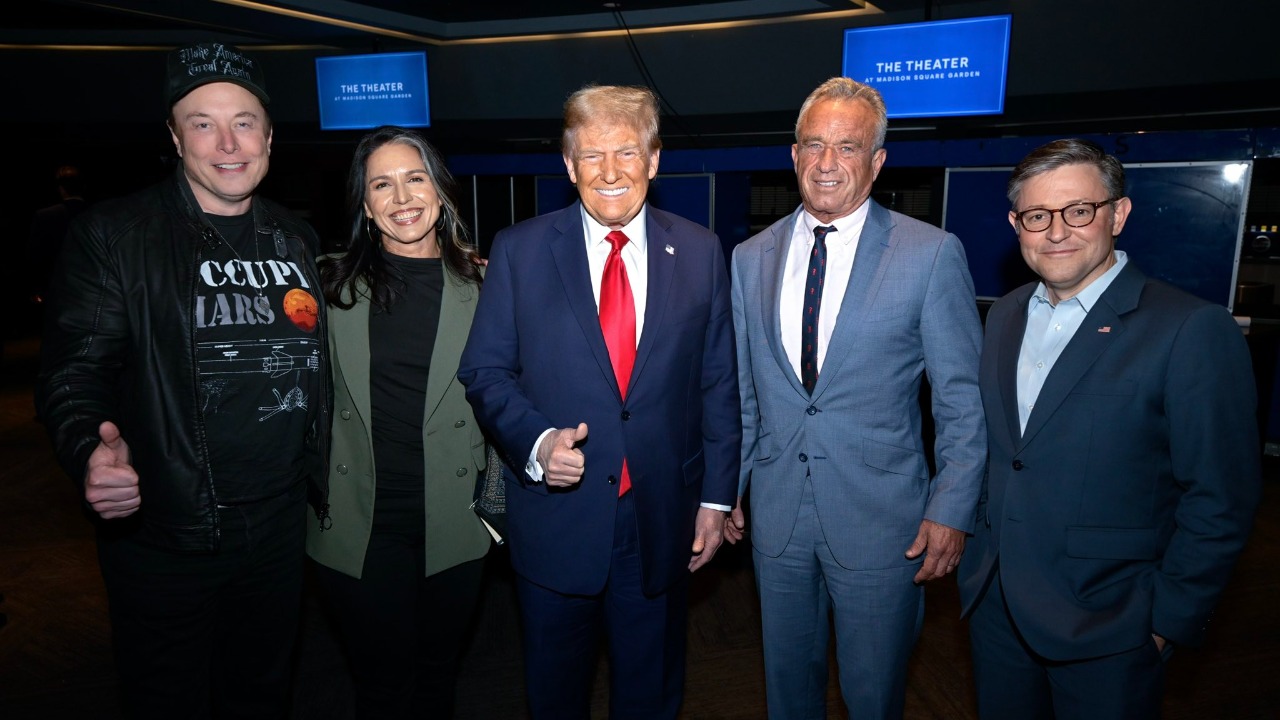
With the recent calls from high-profile figures like Donald Trump and Elon Musk to audit the gold reserves at Fort Knox, attention has been drawn to the security and transparency of the United States’ gold holdings. While Fort Knox has long been a symbol of financial stability, this push for an audit raises questions about the management and inspection of the nation’s valuable assets.
Understanding the Call for an Audit
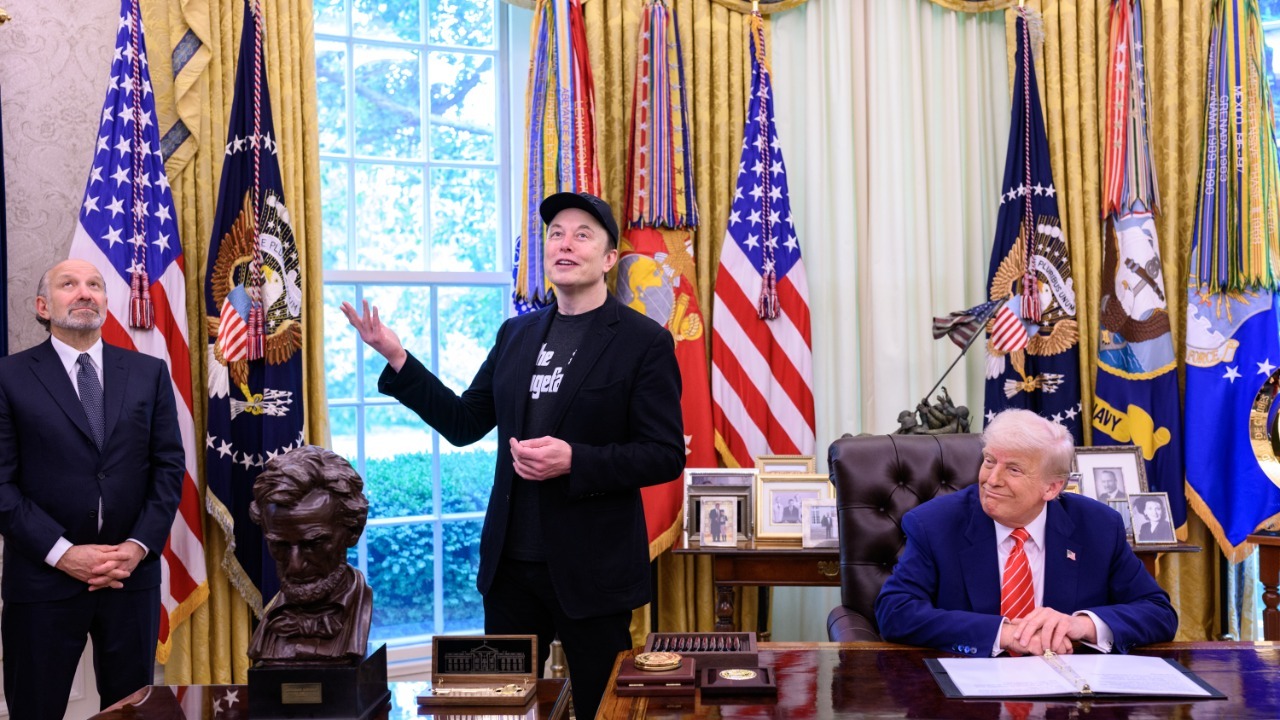
The call for a Fort Knox audit by Donald Trump and Elon Musk stems from concerns about transparency and accountability in government operations. Both figures have expressed skepticism about the veracity of official statements regarding the gold reserves. Their demand underscores a need for a comprehensive verification process to confirm the actual status of these assets.
Historically, Fort Knox has been shrouded in mystery, with limited access granted to outsiders. The last official audit took place decades ago, and the lack of recent inspections has fueled rumors and speculations. This renewed interest in an audit aims to dispel doubts and provide clarity on the nation’s gold holdings.
Key Concerns Driving the Audit Demand

One of the primary concerns driving the demand for an audit is the fear of mismanagement or misreporting of the gold reserves. Skeptics argue that without regular audits, it’s difficult to ascertain the true status of these assets. This lack of transparency can lead to distrust among citizens and investors.
Additionally, the global economic landscape has seen increased volatility, making it crucial to ensure that national assets are secure and accurately accounted for. Figures like Musk and Trump argue that a thorough audit would bolster confidence in the United States’ financial stability.
Historical Precedents of Fort Knox Audits

Fort Knox audits have been rare, with the most notable one occurring in 1953 when a team was allowed to inspect the vaults. Since then, audits have been sporadic, with the last significant one taking place in the 1970s. The lack of consistent audits has fueled conspiracy theories and concerns about the integrity of the reports coming from the vaults.
Despite these concerns, some officials maintain that the existing measures are sufficient to ensure the security of the reserves. However, the recent push for transparency by high-profile figures has reignited the debate on the necessity of regular audits.
Impact on Public Trust and Financial Markets

The call for an audit has significant implications for public trust and the financial markets. An audit could reassure citizens and investors that the nation’s gold reserves are intact and managed properly. This reassurance could, in turn, stabilize markets and reinforce confidence in the United States’ fiscal policies.
On the other hand, if an audit were to reveal discrepancies, it could lead to market instability and a potential loss of trust in governmental financial management. The ripple effects could extend beyond national borders, influencing global markets as well.
Reactions from Government and Financial Experts
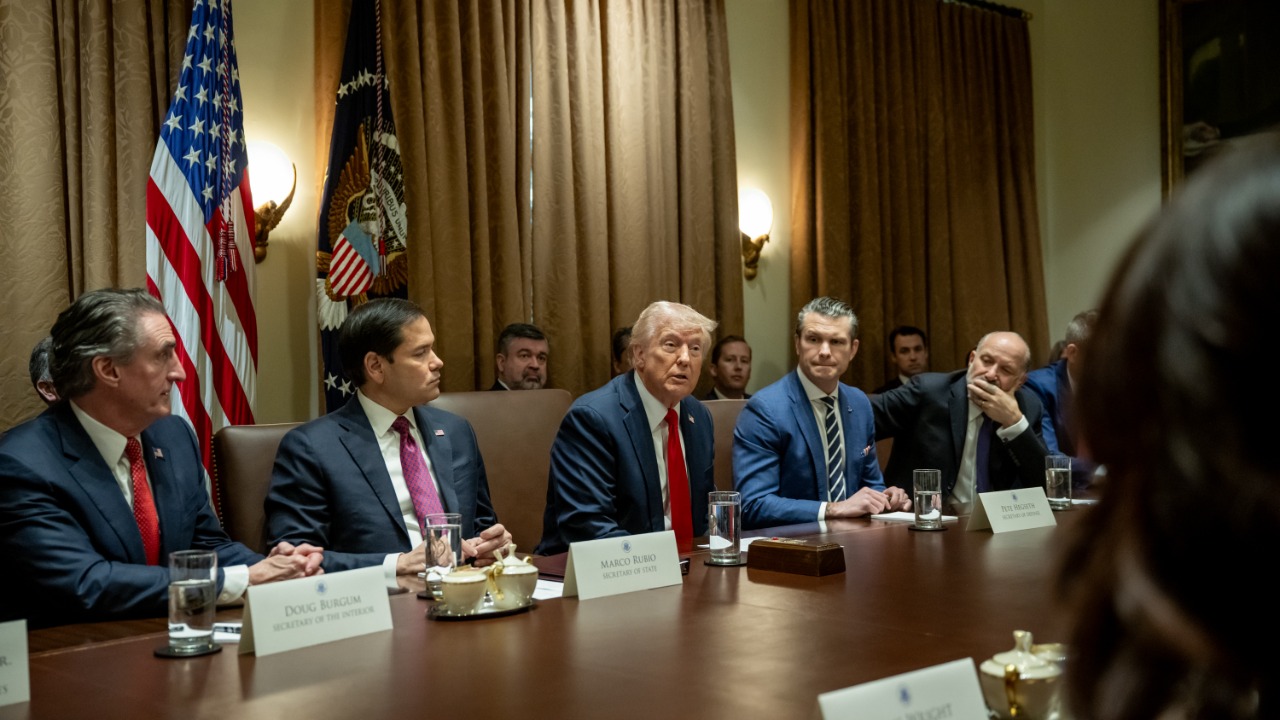
Government officials have had mixed reactions to the audit proposal. Some argue that the current security measures at Fort Knox are adequate and that an audit would be unnecessary and costly. Others see value in the transparency that an audit could provide, potentially strengthening the nation’s financial credibility.
Financial experts are also divided on the issue. While some agree with Trump’s backing of an audit, others worry about the potential consequences of uncovering issues within the vaults. As the debate continues, the public and financial markets watch closely, anticipating the potential outcomes of this high-profile call for accountability.

Julian Harrow specializes in taxation, IRS rules, and compliance strategy. His work helps readers navigate complex tax codes, deadlines, and reporting requirements while identifying opportunities for efficiency and risk reduction. At The Daily Overview, Julian breaks down tax-related topics with precision and clarity, making a traditionally dense subject easier to understand.

