The collapse of a popular sports apparel chain into Chapter 11 bankruptcy is not an isolated misstep but part of a broader reckoning in retail. As shoppers shift online and competition intensifies, even once-buzzy brands are discovering that name recognition is no shield against mounting debt, shrinking margins, and unforgiving landlords. The latest filing underscores how fragile specialty chains have become in a landscape where trends move faster than store leases and balance sheets can keep up.
I see this moment as a stress test for the entire apparel sector, not just one company. When a chain built on fan loyalty and impulse purchases can no longer make the numbers work, it signals deeper structural problems in how retailers finance growth, manage inventory, and respond to digital-first rivals. The question now is not only whether this sports-focused brand can reorganize, but what its fate says about the next wave of store closures.
The HatStop filing and what Chapter 11 really means
The immediate trigger for concern is the decision by sports apparel chain HatStop to seek protection under Chapter 11. The filing, highlighted in a social media post that opened with the stunned reaction “Aye, Dios Mio. My heart :(,” captured how emotionally attached some customers were to the brand even as its finances deteriorated. That same post noted that another retailer, JoAnn’s fabrics, had also turned to Chapter 11, underscoring that HatStop is entering a crowded line of distressed chains rather than suffering a one-off misfortune, and it framed the HatStop move explicitly as a Chapter 11 case.
Chapter 11 is often misunderstood as a death sentence, but in practice it is a legal tool that lets a company keep operating while it restructures its debts and leases. In HatStop’s case, that means stores can remain open, employees can still clock in, and suppliers may continue shipping, at least in the short term, while lawyers and lenders negotiate who gets paid and on what schedule. I read the filing as a bid for time: time to close underperforming locations, time to renegotiate with landlords, and time to decide whether the brand has a viable future as a standalone chain or only as a label that might eventually live inside someone else’s stores or website.
A retail landscape already littered with bankrupt brands
HatStop’s troubles arrive in a retail environment already reshaped by a long list of bankruptcies. Fashion chain Forever 21, for instance, has become a cautionary tale of how quickly a once-dominant mall brand can unravel. Earlier in Dec, reporting showed that Forever 21 had filed for bankruptcy for the second time in March and closed down its US operations, shuttering about 500 stores, including a flagship retail store in Times Square, a scale of retreat that would have seemed unthinkable when the chain was still expanding aggressively.
The Forever 21 saga did not end there. Earlier in the year, the company, referred to in coverage simply as Forever, was described as expecting to close all U.S. stores and explicitly blaming the rise of ultra-fast-fashion rivals, naming Shein and Temu its demise. When a brand that once defined teen mall culture cannot survive a second restructuring, it sends a clear message to chains like HatStop: the margin for error is vanishing, and the old playbook of rapid store growth followed by a quick court-assisted reset is no longer guaranteed to work.
Why specialty sports retailers are under particular pressure
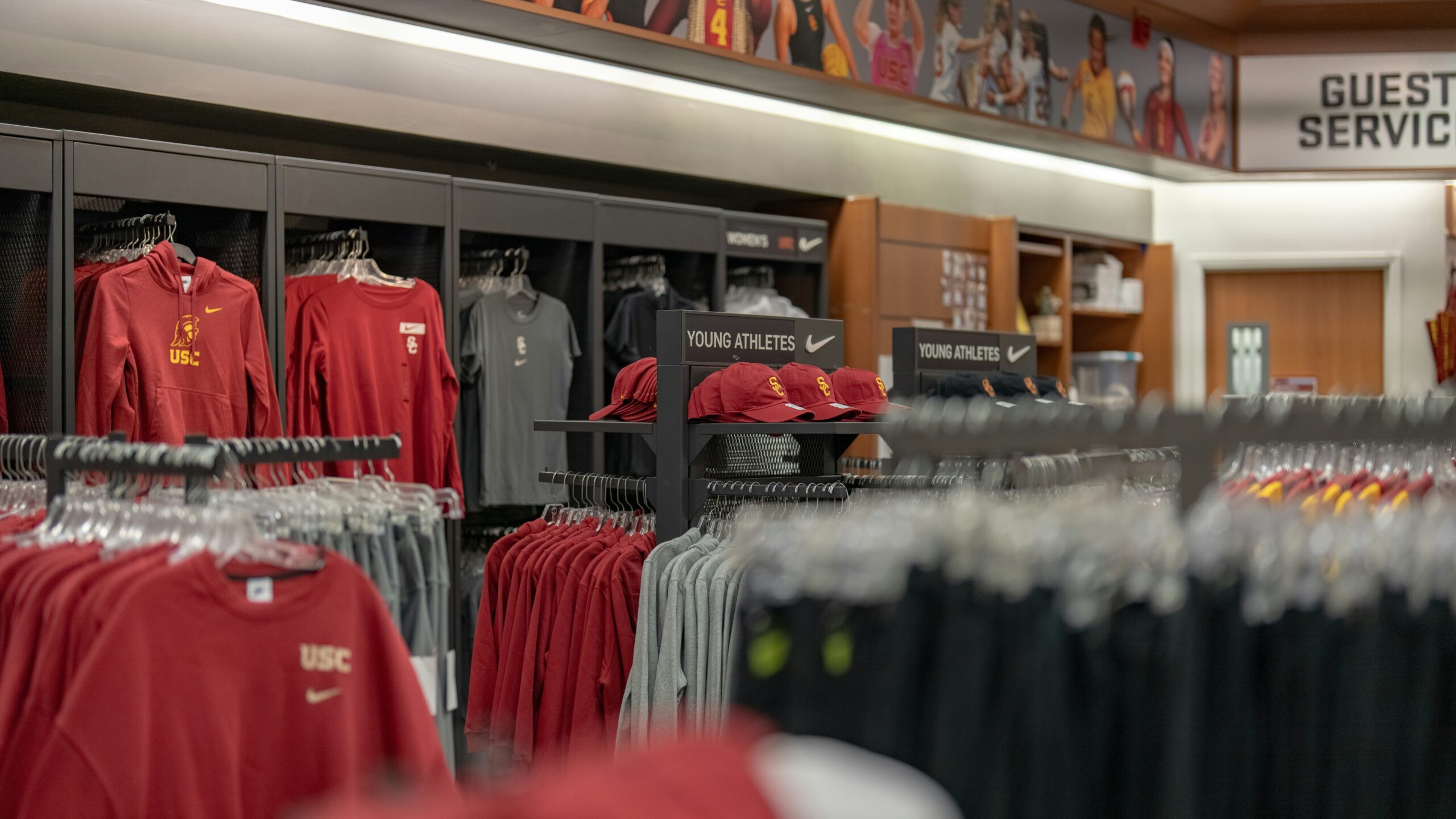
Sports apparel chains like HatStop sit in a tricky middle ground between mass-market clothing and niche fan gear. On one side, big-box retailers and online marketplaces can undercut them on price for generic hoodies, leggings, and sneakers. On the other, official league and team stores, along with direct-to-consumer brands, compete fiercely for the same fan dollars with exclusive drops and limited-edition collaborations. In that context, HatStop’s model of stocking a wide range of team caps, jerseys, and branded apparel in physical locations looks increasingly vulnerable to shifts in how fans shop and how often they refresh their wardrobes.
I see three structural headwinds bearing down on this segment. First, the migration of sports merchandise sales to online platforms has eroded the impulse purchases that once justified high mall rents. Second, licensing deals have become more complex and expensive, squeezing margins for retailers that do not control the underlying intellectual property. Third, the broader apparel slowdown, illustrated by the struggles of chains like Forever 21 and the closures of hundreds of stores, has reduced foot traffic in the very malls and shopping centers where HatStop built its presence. When the surrounding ecosystem weakens, even a well-run specialty chain can find itself dragged into the same downward spiral.
Chapter 11 as a recurring symptom of deeper industry strain
HatStop’s resort to Chapter 11 fits a long-running pattern in American business where companies use the courts to buy breathing room during industry downturns. Decades ago, WTD, based in Portland, Ore, offered a stark example from a very different sector. The company, formally known as WTD Industries Inc, announced that it had filed for Chapter 11 protection in U.S. Bankruptcy Court for, describing its move as a symbol of troubled times in the timber industry. The parallels are hard to miss: a regional player squeezed by structural shifts in its market, turning to the same chapter of the bankruptcy code to restructure obligations it could no longer meet.
What I take from the WTD example is that Chapter 11 is less about individual failure and more about industries struggling to adapt to new realities. In timber, it was changing demand, environmental regulation, and global competition. In retail, it is e-commerce, shifting consumer tastes, and the rise of ultra-fast-fashion platforms that can spin up new designs in days. When multiple companies in the same space, from WTD in timber to HatStop in sports apparel and Forever 21 in fast fashion, all end up in court-supervised reorganizations, it signals that the underlying business models are under strain, not just the management teams.
What HatStop’s collapse signals for workers, landlords, and shoppers
For employees, a Chapter 11 filing is both a reprieve and a threat. Jobs do not vanish overnight, but every store review and lease negotiation carries the risk of closure. Workers at HatStop locations now face the uncertainty that has already hit staff at chains like Forever 21, where the shutdown of 500 U.S. stores translated into thousands of lost positions. I expect many HatStop employees to keep working through the restructuring, only to learn later which locations will survive and which will be shuttered as the company trims costs and tries to convince creditors it has a viable path forward.
Landlords and shoppers are also on the front line of the fallout. Mall owners that once counted on HatStop to fill a niche in their tenant mix now have to weigh rent concessions against the risk of another dark storefront. For consumers, the immediate impact may be clearance sales and thinner assortments as the chain manages inventory more cautiously. Over time, if HatStop cannot emerge from Chapter 11 as a stronger, leaner business, fans may find themselves turning even more to online marketplaces, league-run shops, or big-box chains for their team gear, accelerating the very trends that helped push the retailer into court in the first place.
More From TheDailyOverview

Grant Mercer covers market dynamics, business trends, and the economic forces driving growth across industries. His analysis connects macro movements with real-world implications for investors, entrepreneurs, and professionals. Through his work at The Daily Overview, Grant helps readers understand how markets function and where opportunities may emerge.