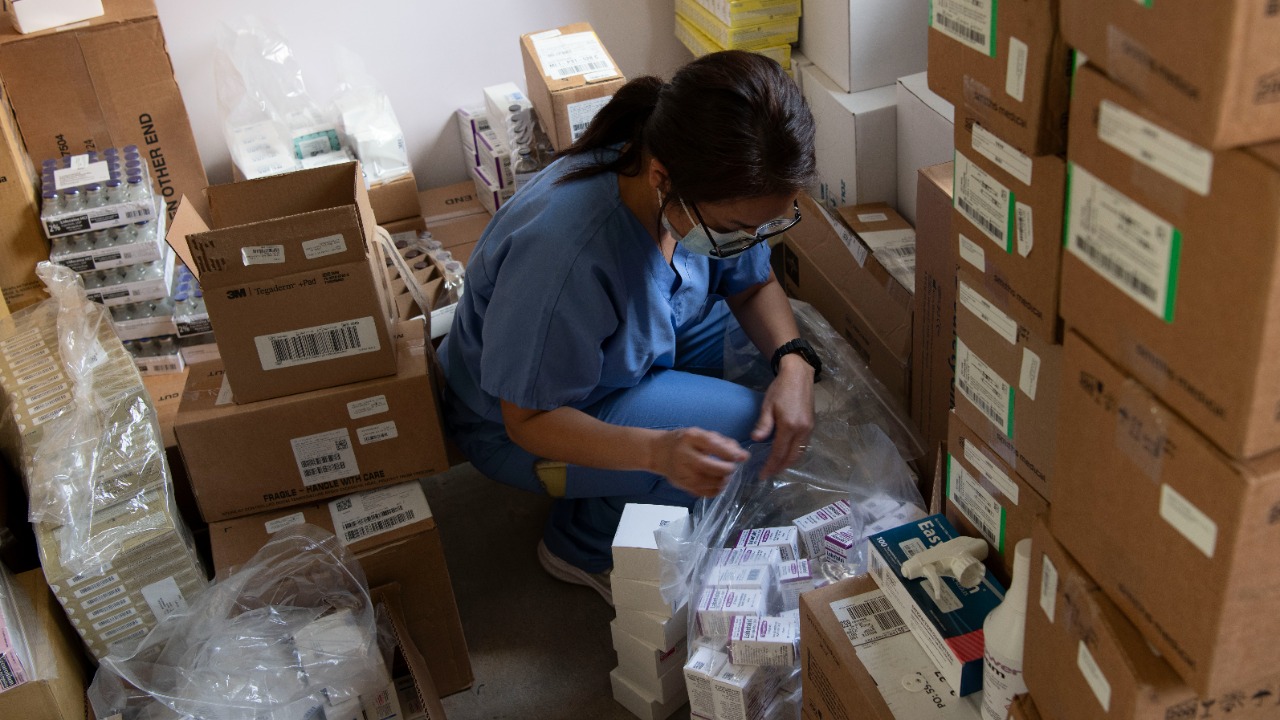
The Trump administration has put a staggering price tag on suspected pandemic-era fraud in California’s small business relief programs, freezing access to aid for more than one hundred thousand borrowers and igniting a fierce political fight. Federal officials say the scheme drained $8.6 billion from programs that were supposed to keep mom-and-pop shops alive during COVID, not enrich shell companies and serial scammers. The scale of the alleged abuse is forcing a reckoning over how emergency money flowed and who failed to guard the till.
At the center of the storm is the Small Business Administration, now led by Administrator Kelly Loeffler, which has moved from rapid-fire lending in the crisis to aggressive cleanup mode. The agency’s decision to suspend 111,620 California borrowers is not just an accounting exercise, it is a blunt signal that the era of easy forgiveness is over and that some pandemic “loans” may end in criminal courtrooms rather than balance sheets.
The numbers behind a historic crackdown
The headline figure is jaw dropping: federal officials say they have identified $8.6 billion in suspect loans tied to California small business relief programs that operated during the height of COVID. According to the SBA, the suspensions hit 111,620 borrowers in the state, a volume that would rival the population of a midsize city and that underscores how deeply fraudsters appear to have penetrated emergency lending. The agency has framed the move as a necessary triage step, cutting off further access to federal support while investigators sort legitimate entrepreneurs from those who treated relief programs like a personal cash machine.
In public comments, the SBA has described the suspect loans as part of a broader pattern of pandemic-era abuse, with Administrator Kelly Loeffler tying the $8.6 Billion in questionable California borrowing to the looser guardrails that were put in place when COVID shut down large parts of the economy. A detailed announcement on how the SBA Suspends 111,620 California Borrowers Suspected of Committing Pandemic fraud makes clear that the agency is now combing through loan files that were initially approved at speed, looking for red flags such as repeated use of the same address, implausible payroll claims, or businesses that appear to have sprung into existence just in time to tap federal cash.
How the scheme worked: phantom firms and pandemic loopholes
From what has been disclosed so far, the alleged fraud did not rely on sophisticated hacking or exotic financial instruments, it exploited the very design of emergency relief. Programs built to move money quickly, often with limited documentation, became vulnerable to applicants who invented employees, inflated losses, or registered paper-only companies that never opened their doors. One Special Report on the scandal describes more than 111,000 loans tied to patterns such as claimed losses that never existed and “shady” addresses that appeared to house a dozen or more unrelated businesses on paper.
Investigators say many of the suspect applications were clustered in dense urban corridors where it is relatively easy to hide fake entities among legitimate storefronts, a dynamic that may help explain why California has emerged as such an outlier. In some cases, the same mailing address appears to have been used for multiple relief applications, while in others, businesses claimed payrolls that would have rivaled established employers despite having no visible operations. The SBA has not yet released a full roster of names, and specific companies or individuals remain largely unidentified in public filings, which means the most granular accountability reporting is still to come and remains unverified based on available sources.
Trump administration messaging and the politics of fraud
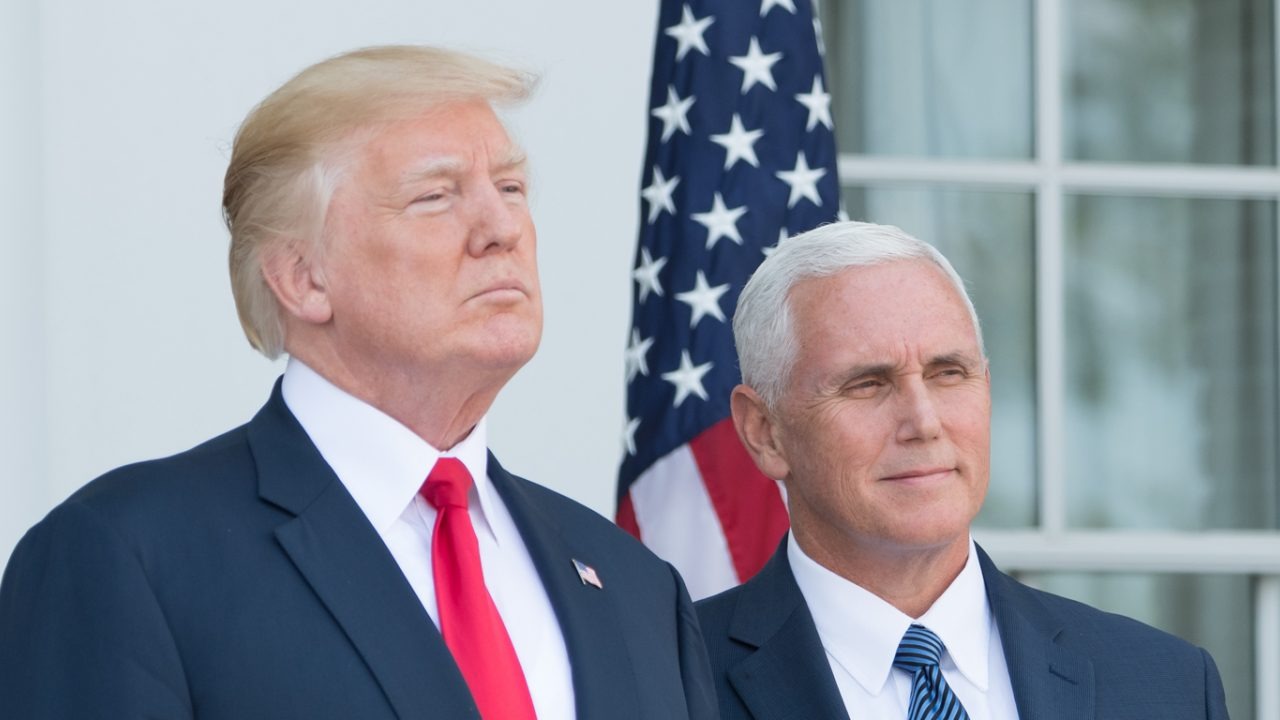
President Donald Trump has seized on the California suspensions as proof that his administration is serious about rooting out waste and abuse in blue states, and his SBA chief has echoed that posture. Administrator Kelly Loeffler has publicly vowed that people will be jailed in connection with the alleged fraud, framing the crackdown as part of a broader law-and-order agenda that also includes efforts like Trump Orders Faster Rebuilding for LA Wildfire Victims, Cuts Through Permitting Delays, which the SBA highlighted in a recent post on its official account at SBA. Her elevation to the SBA role, documented in public profiles of Administrator Kelly Loeffler, has given the agency a high-profile political figure who is comfortable turning a technical enforcement action into a national message about fiscal responsibility.
Critics in California see something very different. California Attorney General Rob Bonta has accused the Trump administration of promoting “baseless political attacks” on the state, arguing that the president is wrongly claiming California “looked the other way” on fraud and that his rhetoric is designed to score partisan points rather than fix systemic problems. In one detailed account of the back-and-forth, Bonta’s comments are set against the White House narrative that California’s leadership under @CAGovernor Gavin Newsom failed to safeguard federal aid, a clash captured in coverage of California Attorney General. The political theater risks obscuring a more uncomfortable truth for both sides: federal and state systems alike were unprepared for the tidal wave of applications that hit during COVID.
California’s oversight problem and the national context
One of the most striking aspects of the current revelations is how concentrated the suspected fraud appears to be in a single state. Federal officials say the $8.6 billion in questionable loans is tied specifically to California programs, a figure that has already been cited by Republican lawmakers as proof that Dems “looked the other way” while money was siphoned off. Representative Claudia Tenney, for example, has highlighted what she called $8.6 BILLION in fraud uncovered in California programs meant to save small businesses while Dems were distracted, a claim she amplified in a Facebook post that has been widely shared and can be seen in her reference to BILLION. The rhetoric is sharp, but it also points to a real policy question: why did California’s systems prove so vulnerable compared with other large states.
Part of the answer likely lies in the intersection of federal leniency and California’s dense business ecosystem. The state’s sprawling urban regions, from Los Angeles to the Bay Area, are home to layers of LLCs, sole proprietorships, and gig-economy ventures that already stretch the capacity of regulators. When COVID hit and Washington relaxed documentation standards to keep money flowing, that complexity became a liability. Reports on the SBA’s enforcement push note that the agency has also flagged suspected fraud in places like Minnesota, but the sheer volume of California Borrowers Suspected of Committing abuse, as detailed in the federal notice that SBA Suspends 111,620 California Borrowers Suspected of Committing fraud, suggests a unique synergy between local conditions and national policy. If that hypothesis holds, other high-density states like New York may yet see similar waves of suspensions as audits deepen.
Winners, losers, and what comes next for small businesses
Behind the political fireworks and eye-popping figures are real small business owners who now find themselves caught in the dragnet. For every phantom company that claimed a payroll it never had, there are legitimate shops that relied on relief to keep workers on the books and are now facing new scrutiny or delayed forgiveness. Some of the most vivid reporting on the scandal describes a “shocking” $8.6 billion in new fraud uncovered in California, including a single address that appeared to house more than a dozen businesses on paper, details that underscore how brazen some schemes became and that are laid out in coverage of the Shocking scope of abuse. For honest entrepreneurs, the risk now is that lenders and regulators overcorrect, tightening standards so much that access to capital becomes the next crisis.
More From The Daily Overview
*This article was researched with the help of AI, with human editors creating the final content.

Grant Mercer covers market dynamics, business trends, and the economic forces driving growth across industries. His analysis connects macro movements with real-world implications for investors, entrepreneurs, and professionals. Through his work at The Daily Overview, Grant helps readers understand how markets function and where opportunities may emerge.