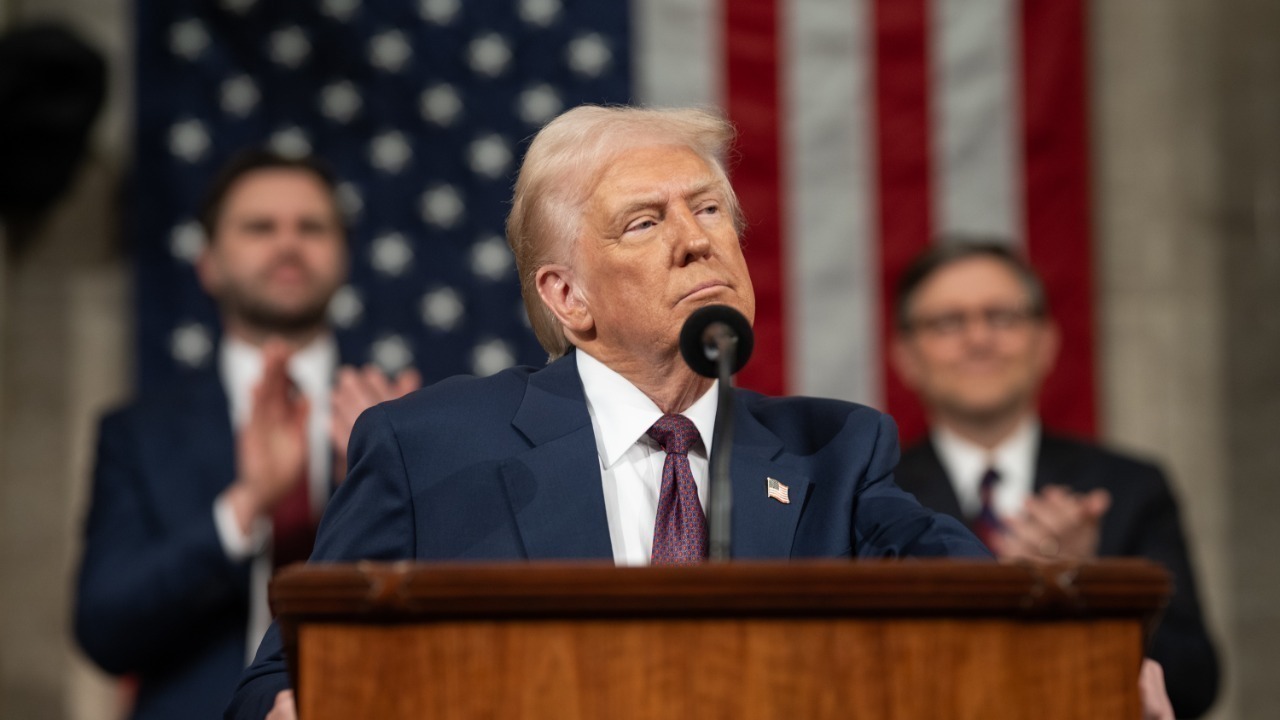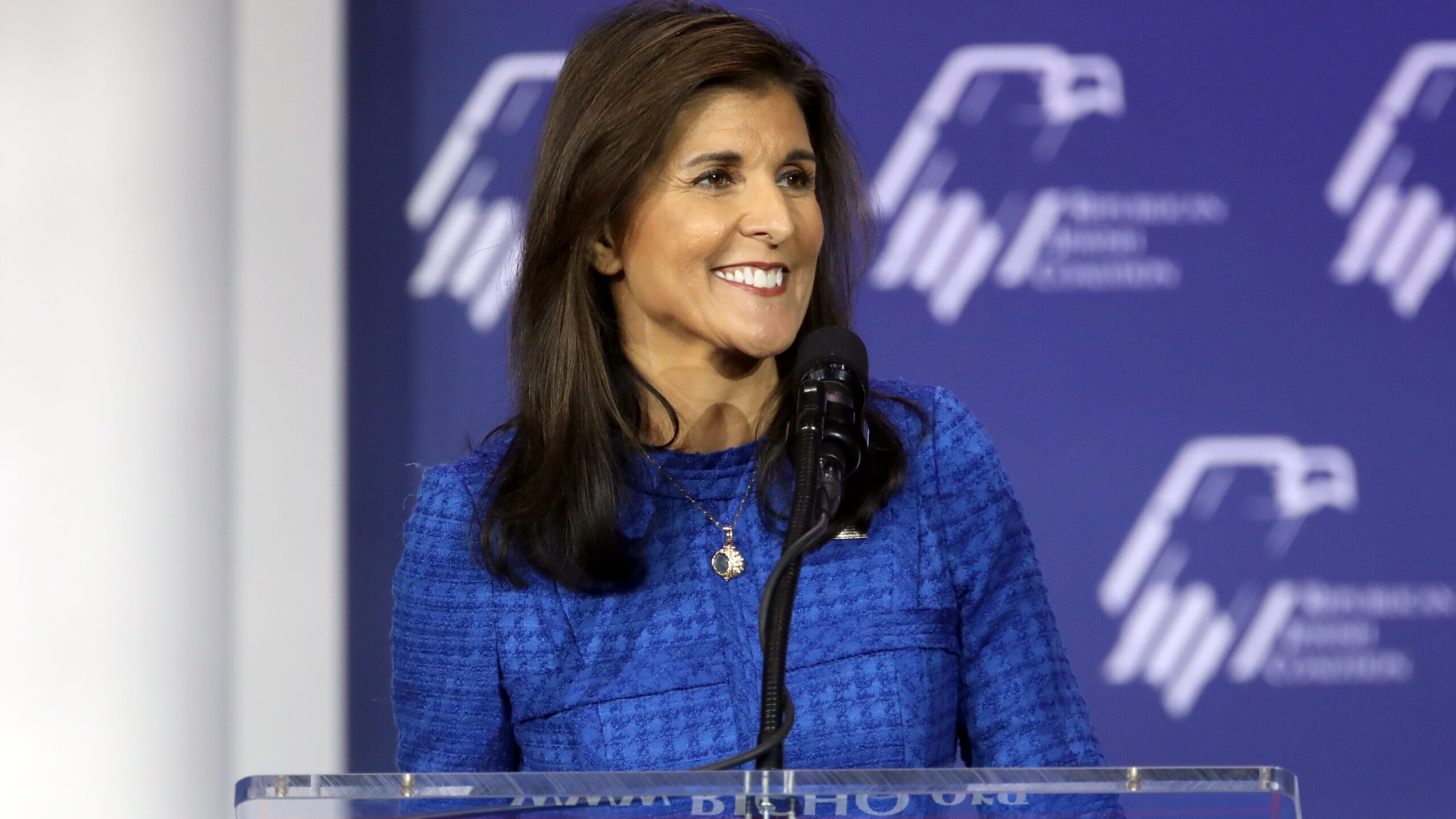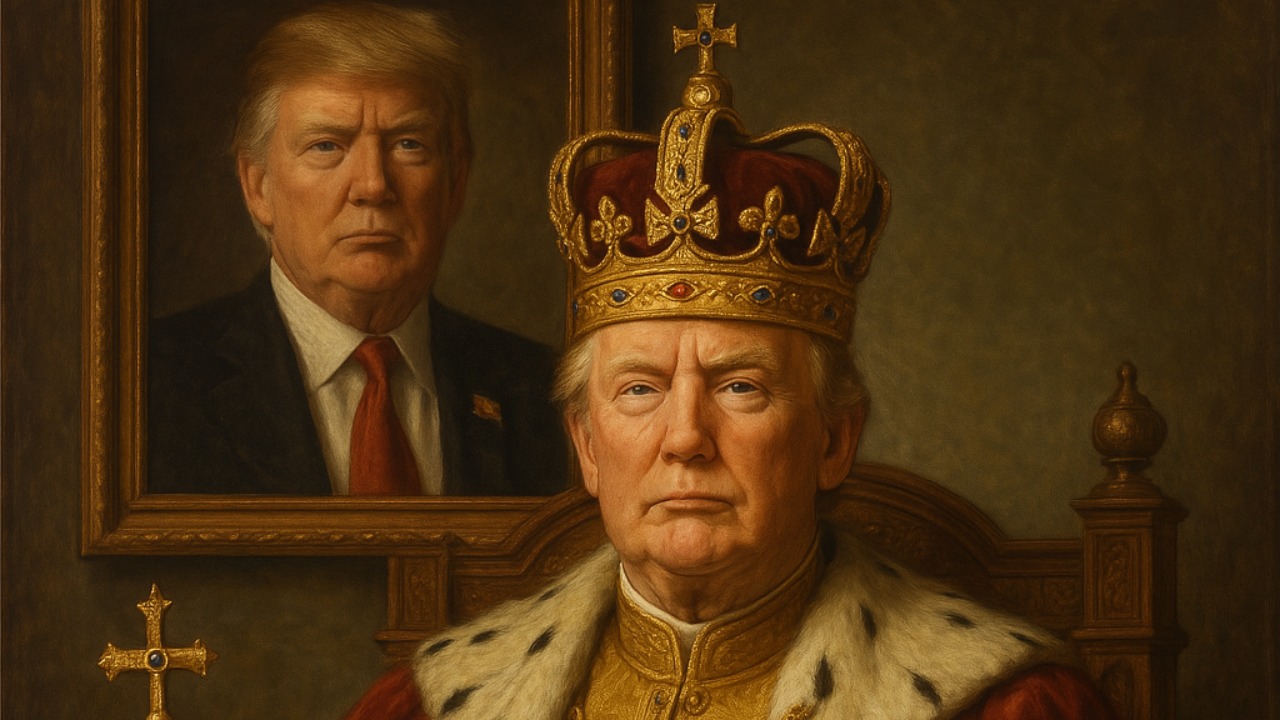
President Donald Trump and his MAGA supporters have increasingly embraced AI-generated deepfake videos, blending satire, parody, and misinformation to amplify political messaging. This trend, highlighted in recent reporting, illustrates a shift where such content deliberately blurs the lines between factual reporting and fictional narratives, especially as elections approach. With AI tools becoming more accessible, their use by Trump and MAGA circles marks a new escalation in digital propaganda tactics compared to earlier meme-sharing patterns.
Trump’s Personal Engagement with AI Deepfakes
Donald Trump has recently taken to sharing AI-generated memes on his social media platforms, a move that underscores his evolving relationship with technology. Notably, he has reposted videos depicting exaggerated or fabricated scenarios involving political opponents. These actions, detailed in Axios reporting, reveal a strategic pivot from his previous skepticism toward technology to leveraging AI for rapid narrative control. Trump’s engagement with these deepfakes, often accompanied by laughing emojis or affirmative comments, signals a significant departure from his earlier stance.
The timeline of these shares coincides with heightened campaign tensions, marking an intensification from sporadic meme use in prior months. By endorsing AI-generated content, Trump is not only amplifying his political messaging but also setting a precedent for how digital tools can be used in modern political discourse. This shift highlights the growing importance of AI in shaping public perception and controlling narratives in real-time.
MAGA Supporters’ Amplification of Deepfake Content
MAGA online communities have been instrumental in amplifying AI deepfake content, particularly on platforms like Truth Social and X. These communities have flooded feeds with videos mimicking news anchors or celebrities criticizing rivals, with some examples going viral and gaining millions of views. This phenomenon, as noted in recent analysis, underscores the role of influential MAGA figures, such as podcasters and influencers, in curating and promoting these videos.
These videos often parody mainstream media, aiming to erode trust in verified facts. The surge in such content post-October 2025 marks a shift from text-based memes to more immersive AI visuals, which stakeholders use to mobilize base enthusiasm more effectively. This evolution in content strategy reflects a broader trend in political communication, where visual and interactive media are increasingly used to engage and influence audiences.
Blurring Lines Between Satire and Misinformation
AI deepfakes have blurred the lines between satire and misinformation, with some initially presented as parody evolving into widely believed falsehoods. For instance, altered clips of public figures making inflammatory statements have circulated widely, as detailed in Axios insights. The technical ease of creating these videos using free AI tools has been exploited by Trump and MAGA allies, often without disclaimers, contrasting with earlier efforts that required more resources.
This blurring has accelerated the spread of misinformation, differing from pre-AI eras by enabling real-time fabrication during live events. The implications are significant, as these deepfakes can shape public opinion and influence political outcomes. The ability to create convincing yet false narratives in real-time poses challenges for fact-checkers and media organizations striving to maintain the integrity of information.
Broader Implications for Political Discourse
The rise of AI deepfakes in political discourse has prompted reactions from fact-checkers and Democrats, who have warned of their potential to sway voters. As evidenced in contemporary coverage, these stakeholders emphasize the risks associated with deepfakes, particularly in the context of election integrity. The inconsistent moderation of MAGA-shared AI content on various platforms has allowed for its proliferation, contrasting with stricter policies on non-political deepfakes.
This embrace of AI-driven narratives by Trump and MAGA signals a long-term shift away from traditional journalism. As AI tools become more sophisticated and accessible, their impact on political communication and election integrity will likely continue to grow. The challenge for media organizations and regulators will be to adapt to this new landscape, ensuring that the public remains informed and that democratic processes are protected from manipulation.

Grant Mercer covers market dynamics, business trends, and the economic forces driving growth across industries. His analysis connects macro movements with real-world implications for investors, entrepreneurs, and professionals. Through his work at The Daily Overview, Grant helps readers understand how markets function and where opportunities may emerge.