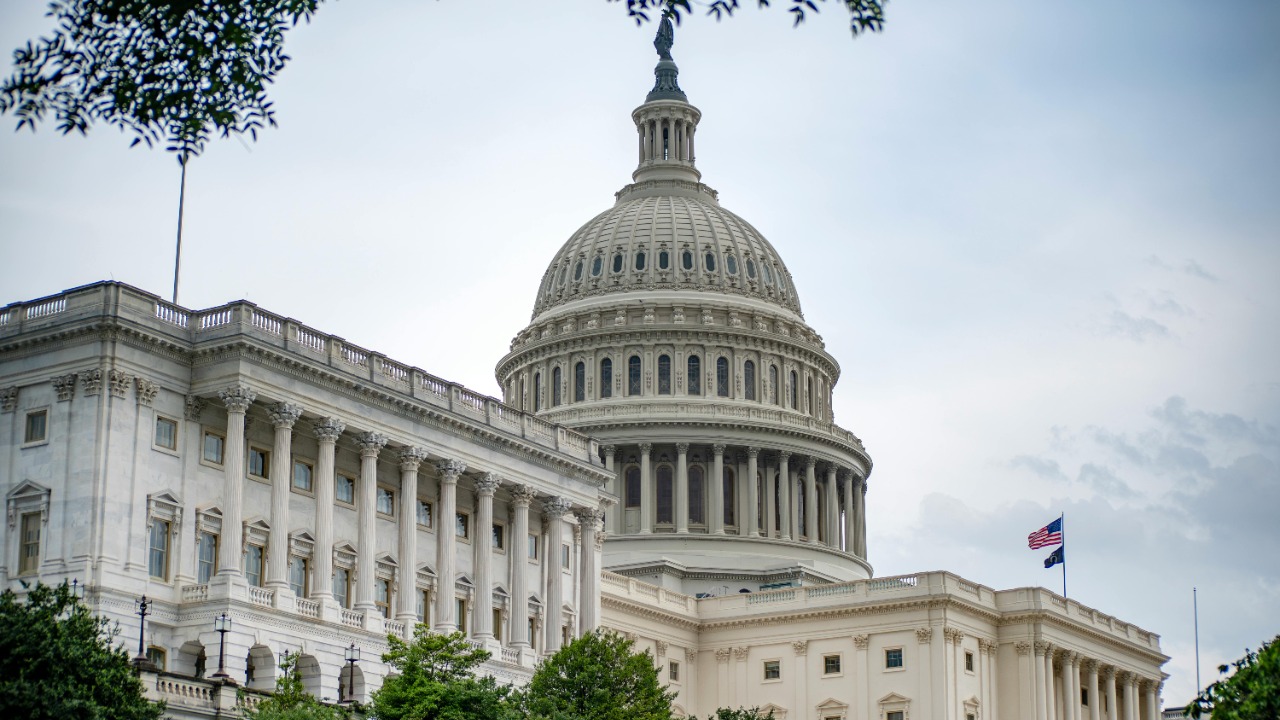
The 2025 government shutdown, which began on October 1, has resulted in the closure of numerous federal operations. However, essential services remain operational, including the 10 most visited national parks, which are open to the public with some limitations. Social Security offices continue to function, ensuring beneficiaries can manage claims and payments without significant disruptions. While many agencies face furloughs, critical functions such as air traffic control and border security continue uninterrupted.
National Parks and Visitor Services
Despite the government shutdown, the 10 most visited national parks are open, providing a respite for those seeking outdoor adventures. However, visitors should be prepared for reduced ranger presence and potential entrance fee waivers. The parks, including popular sites like Yellowstone and the Grand Canyon, face operational challenges due to limited maintenance and emergency response capabilities. This means that while the parks are accessible, visitors must exercise caution and plan accordingly, as full federal staffing is not available. For those planning trips, it’s advisable to rely on self-guided access and adhere to safety precautions to ensure a safe and enjoyable experience. More details on what to expect can be found in the Business Insider report.
These operational challenges highlight the importance of being self-sufficient during visits. With limited staff, services such as guided tours and educational programs may not be available, and visitors should be prepared to navigate the parks independently. Additionally, the lack of maintenance could impact the condition of trails and facilities, making it crucial for visitors to stay informed about current conditions and any advisories issued by park authorities. Planning ahead and checking for updates on park websites can help mitigate potential inconveniences.
Social Security Administration Operations
Amid the shutdown, Social Security offices remain open, providing a crucial service for millions of beneficiaries. The continued processing of benefits and payments ensures that recipients can manage their financial needs without interruption. In-person visits and online services are available, although there may be delays in non-essential administrative tasks. This stability in core functions, such as monthly benefit disbursements, offers reassurance to beneficiaries navigating the shutdown. For more information on what to expect, visit the USA Today article.
While essential services are maintained, some administrative processes may experience delays. Beneficiaries should be aware that tasks such as updating personal information or processing new applications might take longer than usual. However, the commitment to ensuring that monthly benefits are disbursed on time underscores the priority given to maintaining financial stability for recipients during the shutdown. This focus on core services helps alleviate concerns for those relying on Social Security as a primary source of income.
Essential Federal Agencies and Infrastructure
During the 2025 shutdown, several critical federal agencies continue to operate, ensuring that essential services remain uninterrupted. Transportation services, including air traffic control, are fully operational, maintaining safety and efficiency in air travel. Additionally, passport processing is available at select locations, allowing for continued international travel. Border security and law enforcement operations also persist without interruption, as detailed in reports from Reuters and The Washington Post.
However, there are areas where operations are only partially maintained. For example, veterans’ benefits and IRS tax refund handling may experience minimal disruptions. These “fuzzy” areas, as described by Politico, highlight the complexities of managing essential services during a shutdown. While core functions are prioritized, some ancillary services may face delays, impacting individuals who rely on timely processing of benefits and refunds. Understanding these nuances can help stakeholders navigate the shutdown’s effects more effectively.
Impacts on Broader Government Services
The shutdown has led to the closure of non-essential agencies, including national museums and research grant programs. These closures impact cultural and scientific communities, limiting access to resources and delaying ongoing projects. However, state-level support programs remain open, providing alternatives for those affected by federal closures. The economic and daily life effects of the shutdown are significant, with delayed federal loans and housing assistance affecting individuals and businesses. Reports from October 1 analyses, such as those by Reuters, provide insights into the sectors most impacted by the shutdown.
Furloughed workers face uncertainty as they navigate the financial implications of the shutdown. Public resources are available to track changes and provide support, but the lack of income during this period poses challenges for many families. Understanding the broader impacts of the shutdown can help individuals and businesses prepare for potential disruptions and seek alternative resources to mitigate its effects. By staying informed and utilizing available support programs, stakeholders can better manage the challenges posed by the government shutdown.
More From TheDailyOverview

Grant Mercer covers market dynamics, business trends, and the economic forces driving growth across industries. His analysis connects macro movements with real-world implications for investors, entrepreneurs, and professionals. Through his work at The Daily Overview, Grant helps readers understand how markets function and where opportunities may emerge.